In this guide
Your next root appointment should follow the result you are maintaining, how visible the regrowth feels to you, and the condition of your hair. A calendar can help you plan, but it cannot tell you whether you need root color, a gloss, new highlights or a lightening maintenance appointment.
The most useful starting point is to separate two observations: what is happening at the scalp, and what is happening through the lengths. New roots and faded ends may become noticeable at different times. They do not automatically need the same treatment.
What are you asking your root color to do?
Gray coverage aims to make gray regrowth look more consistently colored. If you prefer an opaque, even base, the contrast at your part or hairline may become noticeable before the rest of your color needs attention.
Gray blending allows some variation to remain, softening the visual difference rather than making every silver strand disappear. In its gray-color education (opens in a new tab), Redken distinguishes sheer demi-permanent blending from the more solid result possible with permanent color. The product and intended coverage matter; “gloss” alone does not promise full gray coverage.
Color maintenance without gray coverage might mean keeping a red, brunette or other shade distinct from your natural roots. Here, the contrast between your natural color and chosen shade may drive your preferred timing. Someone who enjoys a rooted appearance may make a different choice from someone who wants an uninterrupted color from scalp to ends.
None of those preferences is the correct way to wear gray or color. The useful question is which finish you want to keep seeing.
Treat a week range as a conversation starter
Redken gives four to six weeks as a typical permanent-color root retouch range (opens in a new tab), while acknowledging variation in growth. That is a general cosmetic maintenance reference, not a personal instruction or a rule for every color service.
Hair condition can change the discussion. The American Academy of Dermatology recommends allowing more time between chemical touch-ups when possible (opens in a new tab), particularly in dry conditions. Aesthetic maintenance guidance and damage-prevention advice answer different questions. If your preferred appearance seems to require visits your hair is not tolerating, ask about changing the color design or coverage goal.
A root lightening service also needs its own professional schedule. Do not use a permanent-color range as instructions for maintaining an all-over lightened blonde, and do not try to solve a missed appointment with home root bleaching.
Read the change before choosing the appointment
| Your main goal or observation | What to discuss | What not to assume |
|---|---|---|
| Keep visible gray regrowth consistently covered | Root color and the coverage level you want | The lengths need permanent color again |
| Let silver strands remain but soften their contrast | Gray blending and an acceptable grow-out | Every gloss delivers the same blending or coverage |
| Roots look right, but lengths feel faded or too warm | A tone-and-shine assessment | More lightening is automatically needed |
| Brightness has moved farther from your face or part | Highlight placement and the areas to refresh | A root-color booking includes lightening |
| Maintain an all-over lightened blonde | The appropriate blonde-root service and timing | It is interchangeable with routine regrowth color |
| Color is uneven or old bands are more visible | Review the history before choosing a routine service | Another all-over application will even everything out |
This table organizes the conversation. It is not a formula or a guide to applying color yourself.
The factors that make your interval personal
Look at contrast first. A light natural root against a deep colored base reads differently from similar shades meeting. Look at placement too: gray concentrated around the face may feel noticeable even when it is less obvious elsewhere.
Your styling habits matter. A sleek center part shows a different view from a loose style with a changing part. A color you love with waves should also make sense on the days you wear it straight or tied back.
Then consider your tolerance for regrowth. Some people want a freshly colored hairline most of the time; others like a visible root. Tell the salon what actually bothers you, rather than choosing the shortest interval someone else uses.
Finally, share condition and history. Previously lightened sections, repeated color through the ends and smoothing services are relevant even if your immediate request is “just roots.” A maintenance plan should consider the hair you already have, not only the new growth.
You may not need color through every inch
If the roots need attention but the lengths still have the depth and tone you like, ask what those lengths actually need. Coloring everything again solely because you are in the chair is not a useful goal.
Conversely, a root-only appointment will not automatically refresh faded mids and ends. State both priorities before the appointment is planned: “My hairline is showing, and the ends look warmer, but I do not want to go darker.” That makes room to discuss different needs in different areas.
Good Vibes Salon separates routine regrowth color from services addressing the lengths. Explore Hair Color / Root Touch-Ups for the current choices, or Gloss & Shine Refresh when the concern is tone and finish. The assessment determines the appropriate combination.
Work backward from events and travel
Share your event or departure date early, along with the date of your previous color and what you want to change. A simple maintenance visit and a new color direction need different planning. Avoid assuming a complex change can fit into the final available appointment before a flight.
For an important event, describe your planned hairstyle and bring a reference for the finished color. Ask how much flexibility to leave for assessing the result and any agreed follow-up. There is no universal “perfect day” to color before an event.
Before a vacation, discuss whether swimming, more time outdoors or a change in styling will affect your care plan. The goal is a routine you can actually follow away from home, not extra appointments arranged around guesswork.
Build your own useful record
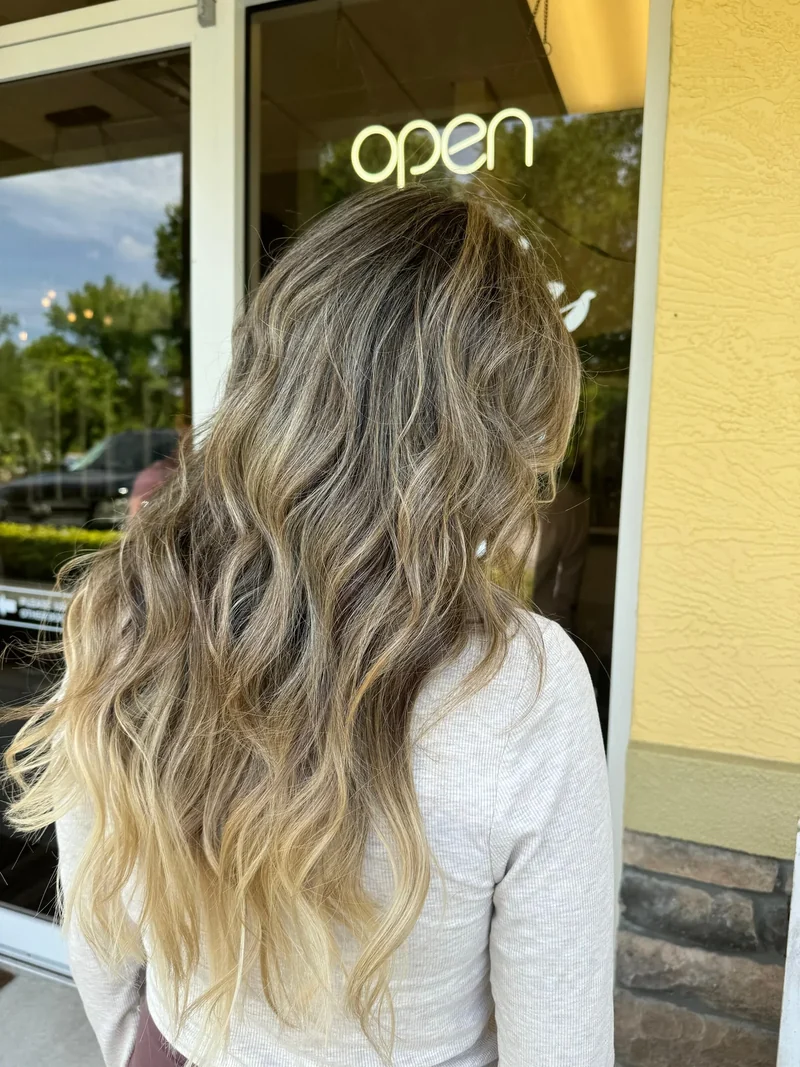
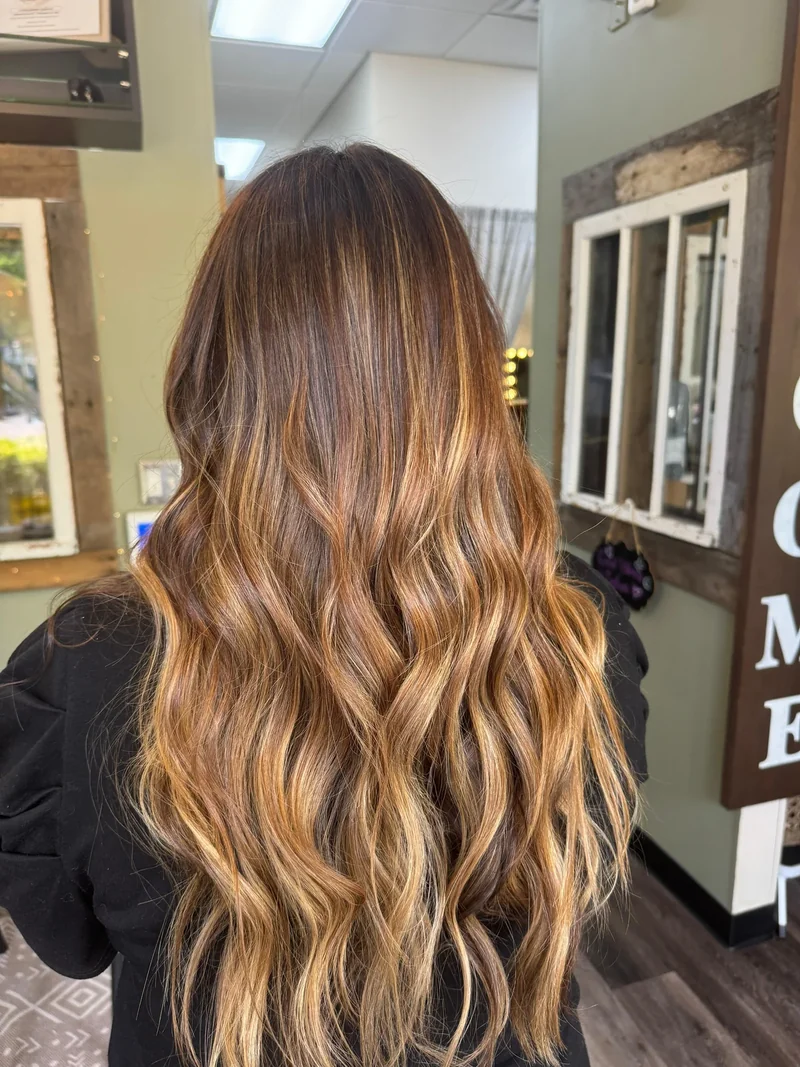
After a color visit, take one photo in ordinary, consistent light. When the color first starts to bother you, take another and note the reason: visible silver at the hairline, a dark root, faded tone or loss of brightness near the face.
Bring that comparison to your next visit. It helps distinguish “I always return on this date” from “this is when I stop enjoying the result.” Ask which part of the plan could change if you want a softer grow-out or less frequent maintenance.
An effective schedule balances appearance, hair condition and daily life. It can evolve with your color; it does not need to become a permanent rule.
Sources & further reading
Sources checked October 15, 2026. Manufacturer information supports that brand’s directions and claims; it is not independent evidence of a result for your hair.