In this guide
Lived-in color describes an intentionally dimensional look with a softer transition at the root. The lighter pieces, deeper areas and tonal finish work together so the result can still feel considered as it grows. It is a design direction, not one application technique and not a promise of maintenance-free hair.
Simply letting roots appear does not necessarily produce that effect. You might like your natural regrowth but dislike the abrupt line where it meets a very different color. Or you might have a soft transition already and want more brightness around your face. Those are different starting points for a lived-in plan.
Four terms, four useful distinctions
Lived-in color is the overall effect. It might be brunette with fine caramel dimension, a beige blonde with a deeper crown, or another combination of light and depth. Blonde is not a requirement.
Root shadow usually describes a deeper root area that is diffused into the lighter hair. Its depth and contrast can vary. Wella's shadow-root education (opens in a new tab) describes both subtle and more dramatic versions and notes that some colorists use “shadow” and “smudge” interchangeably.
Root melt commonly describes a more extended, graduated transition between the root and the lighter lengths. Wella illustrates this distinction in its root shadow and root melt comparison (opens in a new tab). It is useful language for discussing the blend you want, but it is not a standardized measurement. One salon's melt may resemble another salon's shadow. Ask where the deeper color will stop and how bright the hair around your face will remain.
Balayage and highlights describe ways of creating placed lightness. They may contribute to a lived-in result, but neither term tells you exactly how the roots are finished. Wella's rooted-blonde guide (opens in a new tab) includes painting, foil-assisted placement and root shading as different ways to build a rooted look.
You do not have to settle the vocabulary before your visit. Describing the effect is more useful than insisting that a label means the same thing everywhere.
Read the photograph from the root outward
When you save an inspiration image, look beyond the name in its caption. Try to describe three visible details.
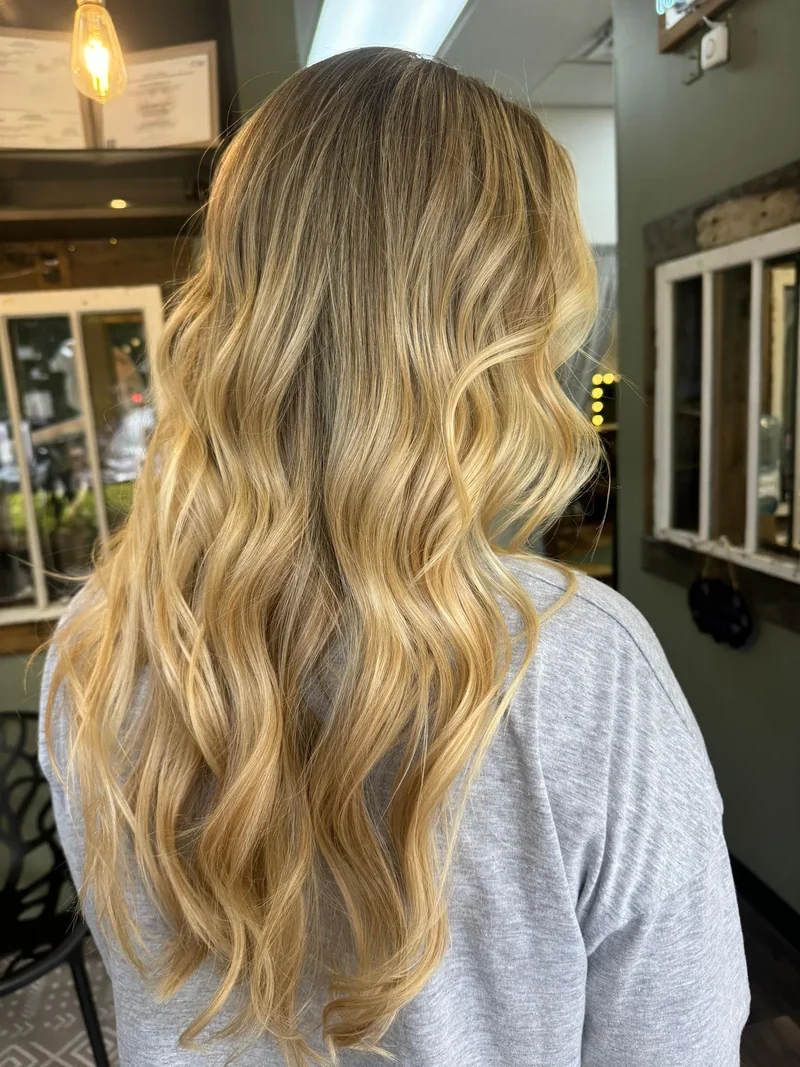
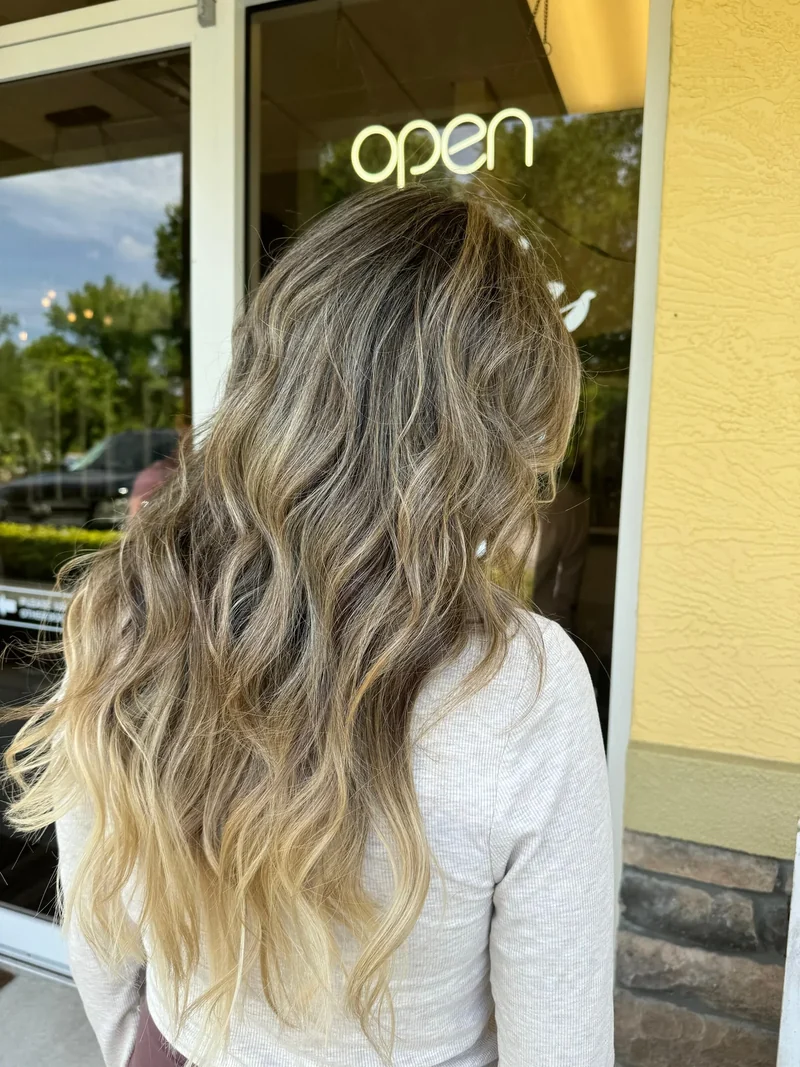
How much depth remains at the crown? A narrow shadow right at the scalp feels different from a deeper area that extends farther down. Both might be called lived-in. If the depth is the part you dislike, an otherwise beautiful reference may point in the wrong direction.
How strong is the contrast? Dark roots with pale ends can have a soft boundary and still look dramatic. A gradual blend does not necessarily make the overall color subtle. If you want understated dimension, say that as well as asking for a soft root.
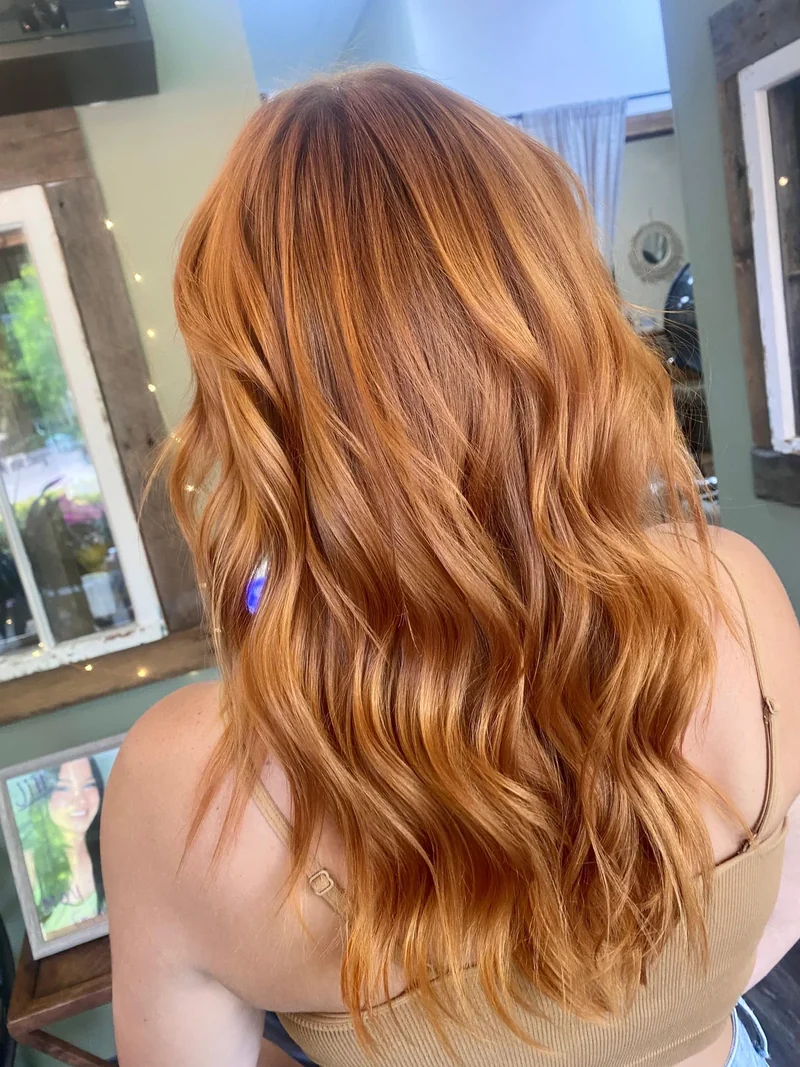
Where is the brightest hair? Compare the face frame, crown, mids and ends. A photograph can look very blonde from the front while preserving significant depth at the back. Bring more than one view if those differences matter to you.
Also notice the styling. Waves separate light and dark ribbons in a different way from straight hair. Show how you usually wear yours, including your part and whether you pull it up. Ask to discuss a result that works in that everyday view.
Two inspiration photos can tell different stories
Imagine two hypothetical references, both labeled “lived-in blonde.”
In the first, the natural-looking root is visible through the crown, the lighter pieces become more noticeable through the mids, and the brightest ends remain separated by deeper strands. You like the balance and do not need to look blonde directly at the scalp.
In the second, the face frame is very bright, the crown has many fine lighter pieces and only a small shaded area softens the root. You like the bright impression but want it to grow without an obvious highlight line.
Those photos share a softer transition, yet they ask for different amounts and placement of brightness. Saying “I like the root in the first and the face frame in the second” is a clear brief. It also gives the colorist a chance to explain whether the combination makes sense from your starting point.
What lower maintenance actually means
For some people, a softer transition makes the movement of new growth less visually urgent. That can create more flexibility around when they refresh the lightness. It does not stop growth or preserve the final tone indefinitely.
Keep two separate questions in mind: “When will I want more brightness?” and “When might I want the tone refreshed?” The answers can differ. You may enjoy the placement for a longer period while wanting a different tonal finish sooner.
The root color itself also needs discussion. Ask whether the plan preserves your natural-looking base or changes it. A deeper shade chosen for a dramatic contrast can create a maintenance concern of its own if your natural regrowth is much lighter.
Gray coverage is another separate goal. Tell the salon whether you want silver strands covered, softened or left visible. A lived-in design is not a guarantee that a root-shadow formula will deliver the coverage you expect.
Common requests that need one more sentence
“Make it ashy” needs a conversation about how cool, light or muted you want the lengths to appear. “Keep it natural” might mean close to your original shade, softly blended, or simply believable to you. “I never want to come back” may really mean that you want more freedom between major color visits.
Replace those broad requests with a practical description: “I like seeing depth at my part, I want a brighter outline around my face, and I can maintain the tone but do not want frequent full lightening.” You are describing priorities the plan can address.
A photo does not show the whole history behind the result. Tell the colorist about past lightening, dark color and previous smoothing services still present in your lengths. If the current color is patchy or banded, start by asking what can realistically be softened before choosing the final label.
Bring this brief to the consultation
- Which part of my natural root can remain visible?
- How far down will the deeper area extend?
- How much brightness will I see at my part and around my face?
- Will the plan change my base color, blend gray or cover it?
- What may need a tone refresh before more lightening?
- How will the result look worn straight and pulled back?
Good Vibes Salon's Lived-In Color / Root Melt service is the relevant place to explore a softer, dimensional root transition. Bring your preferred balance of light, depth and upkeep; the final plan should explain how those priorities fit your existing hair.
Sources & further reading
Sources checked October 15, 2026. Manufacturer information supports that brand’s directions and claims; it is not independent evidence of a result for your hair.