In this guide
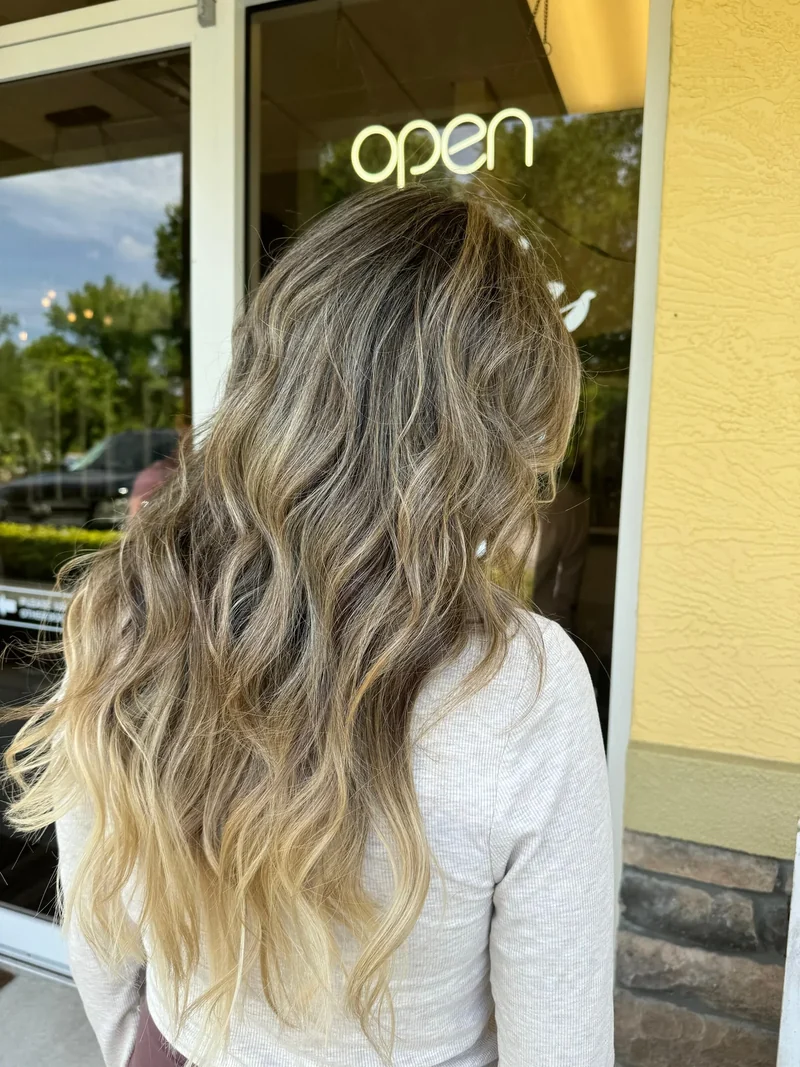
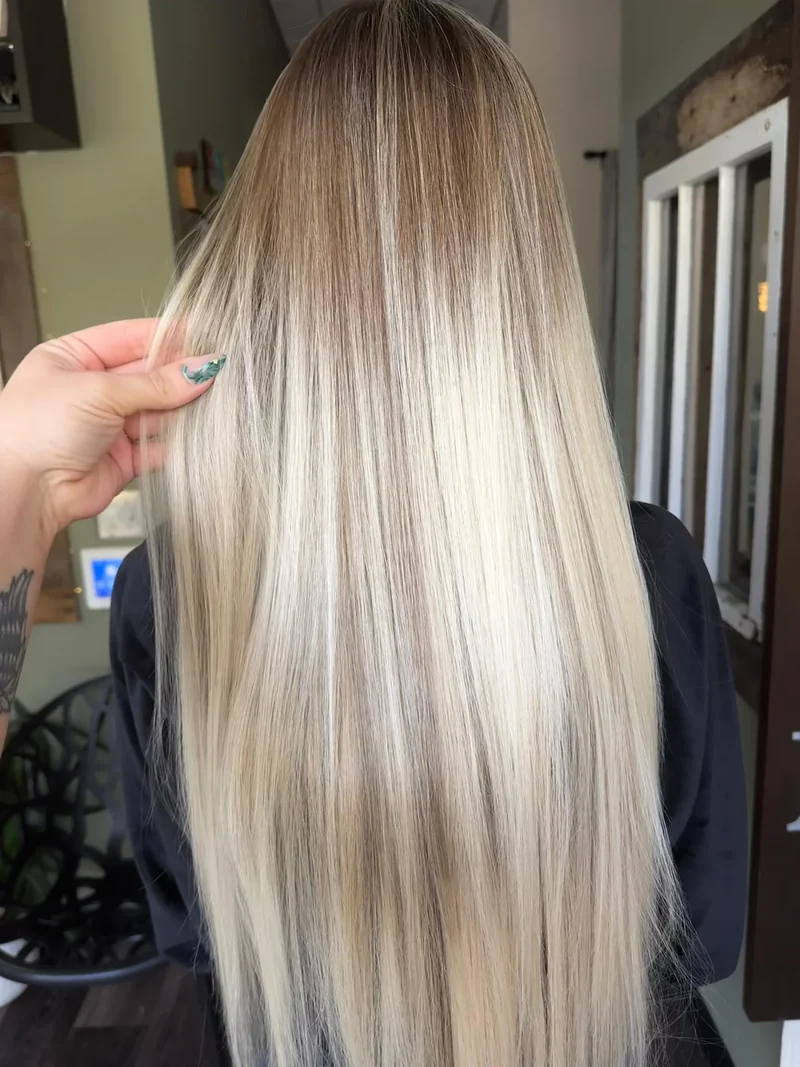
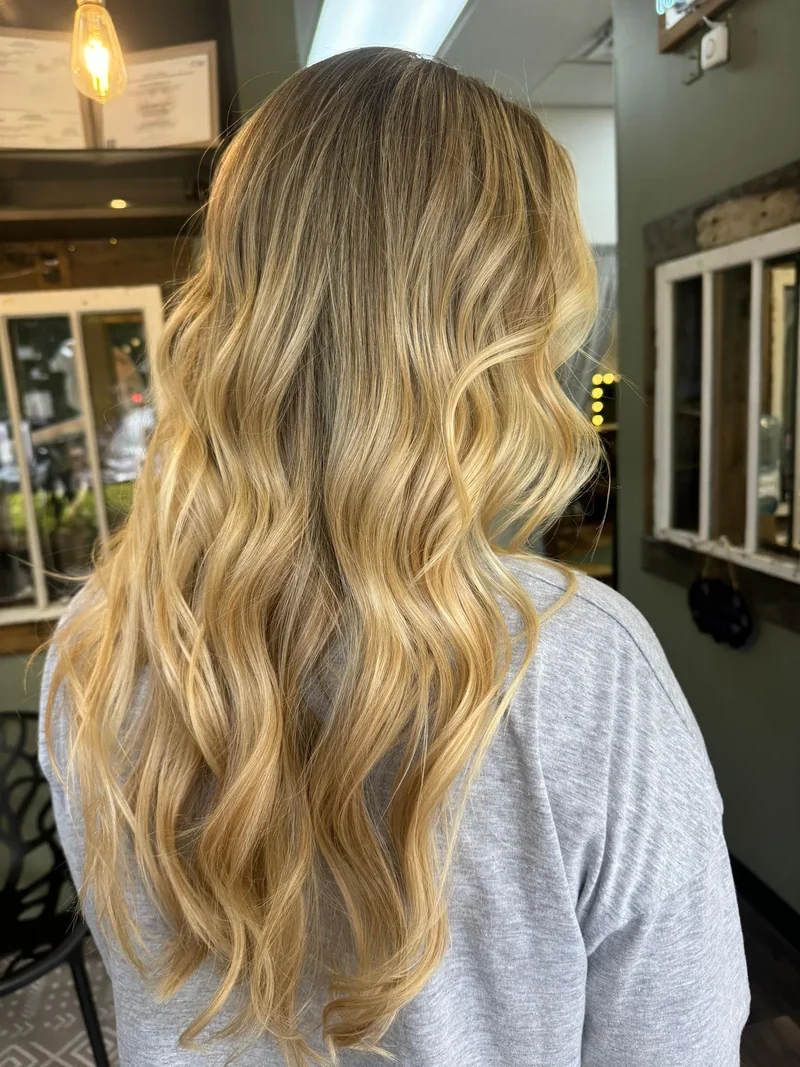
Choose by the brightness you want to see, where you want it, and the grow-out you are comfortable wearing. Balayage often describes painted, blended lightness; highlights describe selected lighter strands and can range from delicate to bold. Neither name, by itself, tells you how blonde you will be or how often you will return.
A useful consultation starts with an ordinary sentence: “I want to feel brighter around my face, keep some depth at the crown, and be comfortable when my roots grow.” That gives a colorist more to work with than a technique name alone.
First separate placement, brightness and tone
Placement means where the light and dark pieces sit. Lightness concentrated around the face creates a different impression from lightness spread through the crown, sides and underneath. Ask yourself what you want to see with your hair down, tucked behind your ears and pulled back.
Brightness is how light the result looks. A few pale pieces can make a strong contrast against a dark base, while many closely spaced lighter pieces may make the overall head of hair read blonder. A brighter photograph does not necessarily show a single technique.
Tone is the color character: golden, beige, coppery, neutral or cool, for example. Hair can be light enough but warmer than you prefer. Adding more highlights and adjusting the tone of existing highlights solve different problems.
That distinction matters when your blonde feels “off.” Before assuming you need more lightener, identify whether you want new brightness, a different tone, or both.
Balayage and foils can work in the same plan
In its traditional sense, balayage is a freehand painting technique. Redken describes its blended effect and distinguishes partial placement from broader, full coverage in its balayage guide (opens in a new tab).
But a soft, painted-looking finish is not proof that every strand processed in open air. Some color plans combine painting, foil placement and root shading. Wella describes foilyage as a way to develop painted placement inside foils, and shows several approaches to a rooted blonde result (opens in a new tab).
Likewise, foils do not automatically mean obvious stripes. The size, spacing and starting position of the selected strands help shape the finish. Small, finely placed highlights and more pronounced ribbons are different design choices.
Redken's professional placement guidance (opens in a new tab) also cautions that very bright looks shown online may have been foiled. Your starting depth and previous color can limit what a particular approach achieves. Let the desired result guide the tools.
A comparison you can actually use
| Decision | Balayage direction | Highlight direction |
|---|---|---|
| Where you want the light | Often emphasizes a blended transition into lighter lengths | Can place brightness precisely through selected areas, including closer to the root |
| How much depth you like | Can preserve a noticeable deeper base | Can preserve depth or build a more broadly blonde impression, depending on spacing |
| The root transition | Often designed to look softly graduated | Can look crisp, finely blended or rooted with additional shading |
| Your starting hair | Existing pigment and condition still matter | Existing pigment and condition still matter |
| Your upkeep priority | Discuss both the grow-out and how the tone will be maintained | Discuss the visibility of regrowth and whether a softer transition is desired |
These are directions for discussion, not rules that limit the finished look. A hybrid plan may answer your priorities better than either label alone.
Full, partial and face-framing describe coverage
“Full” generally means working throughout more of the head. “Partial” focuses on selected areas. “Face-framing” concentrates brightness near the face. The exact sections included should be confirmed with the salon, because service names do not provide a universal map.
Think about your usual hairstyle. If you often wear a ponytail, ask what will show at the back and underneath. If you wear a deep side part, show it during the consultation. If you want your whole color to feel brighter, a focused front refresh may leave more depth elsewhere than you expected.
Full does not mean every hair is lightened, and partial does not mean an incomplete service. The question is whether the coverage matches the view you want to change.
Three different goals, three useful conversations
The following are hypothetical examples, not accounts of salon clients.
A brunette who wants a subtle change and a forgiving root. The request might be a few warmer ribbons through the lengths with brightness around the face, while retaining the natural-looking base. Ask about painted or combined placement and what happens to the tone between larger appointments. “Low maintenance” should include a plan for the lengths, not just the roots.
A blonde who wants to look noticeably brighter at the crown. Fine highlight placement may be worth discussing, potentially with a softly shaded root if a hard transition is unwanted. Bring a photo of the crown as well as the ends. A reference with bright ends alone may not communicate the brightness you want near your part.
Someone who likes the existing blonde but dislikes its warmth. More lightening may not be the first conversation. Ask whether the existing lightness supports the desired tone and whether a gloss or tonal refresh is appropriate. If some areas are too dark or uneven, explain that separately; a tonal service cannot stand in for every change.
Bring a routine, not just an inspiration photo
Tell your colorist how frequently you can realistically visit, how you wear your hair and what maintenance bothered you last time. Share previous home and professional color, lightening and smoothing services, including work still present in the lengths.
Useful questions include:
- Which part of this reference is realistic from my starting point?
- Where will you preserve depth, and where will I see the most brightness?
- What would full or partial coverage change when I wear my hair up?
- Will I want a tone refresh before I need more lightening?
- What should make me contact you before the next planned visit?
The goal is an understandable plan: what changes now, how it grows out and what care comes next. Explore Balayage & Highlights for the salon's current service choices. If root softness is your main priority, the Lived-In Color / Root Melt service offers another relevant starting point.
Sources & further reading
Sources checked October 15, 2026. Manufacturer information supports that brand’s directions and claims; it is not independent evidence of a result for your hair.