In this guide
All-over color describes a planned color application through the roots and lengths. Color correction addresses a starting point that needs more individualized problem-solving: uneven areas, unwanted depth, bands of old color or a complicated transition to the desired shade. The difference is shaped by what is already in the hair, not simply by the color in the inspiration photo.
A change can be corrective even when the goal is darker. It can also be a routine color change after previous home color. The useful question is whether the existing hair provides a reasonably consistent starting point for the intended result.
The same destination does not mean the same route
Consider two hypothetical people who bring the same photograph of a soft medium brunette.
The first has relatively even color and wants a modest change in depth and tone. After assessment, the plan may be a routine color service that includes the roots and lengths.
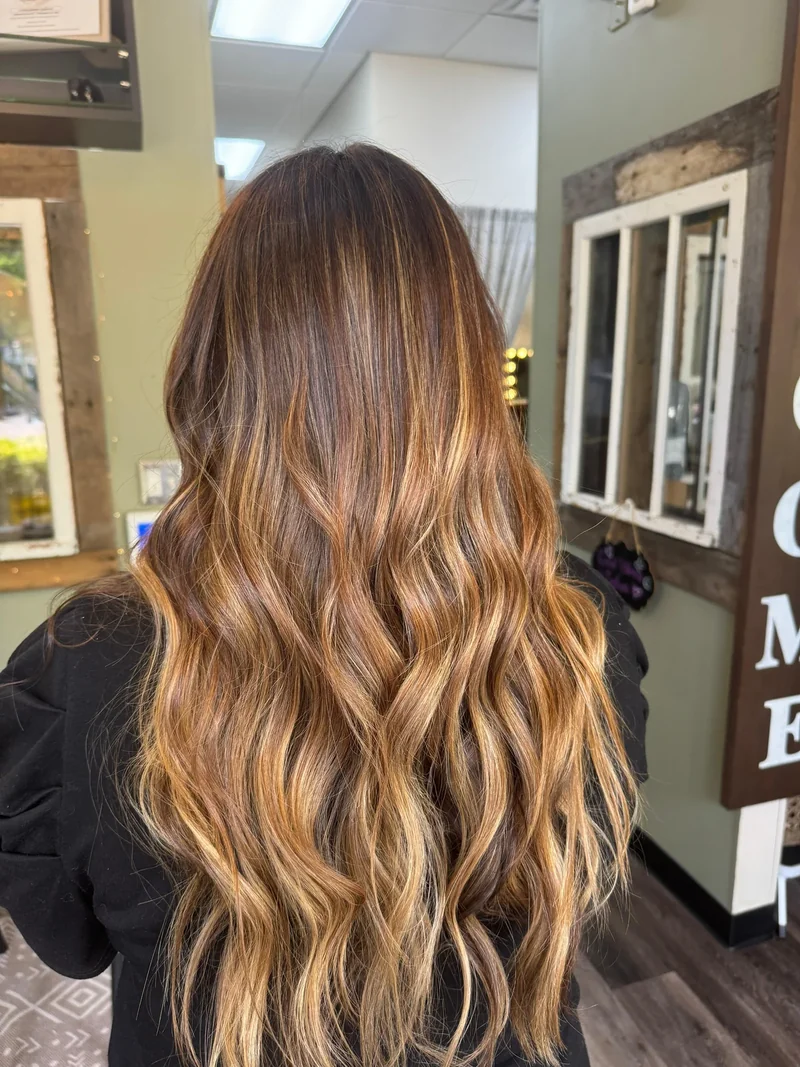
The second has dark roots, a warmer middle section and very pale, previously lightened ends. Painting the same target shade everywhere does not automatically make those areas behave alike. The salon may need to address different starting depths and the previous loss of underlying color through the lightened sections.
Wella's professional correction education (opens in a new tab) explains why returning lightened hair to a substantially darker shade can involve a preparatory color step called filling. In ordinary language, the plan may need to replace some of the color foundation before the intended brunette is applied. That is professional planning, not a reason to experiment with an extra home color first.
The two people may finish in a similar color family. Their starting hair, and therefore their plan, can still be quite different.
Five details that change the assessment
1. Existing pigment. Natural hair, previously colored hair and lightened hair are different starting points. Tell the salon what was applied through the lengths, even when it was months ago and no longer looks like the original shade.
2. Color buildup. Repeated applications can leave different amounts of artificial pigment in different areas. A fresh-looking root does not reveal everything that remains in the ends. The salon needs to know whether past touch-ups stayed at the roots or included the lengths.
3. Banding. A band is a visibly different zone of color. It might look darker, lighter, warmer or cooler than its neighbors. Describe where you see it and when it appeared. It is a clue for assessment, not proof that one specific product caused it.
4. Condition and porosity. Porosity describes the fiber's ability to absorb and retain moisture and color (opens in a new tab); processed areas can behave differently. A stylist may need to consider uneven color uptake along with strength, tangling and breakage. Wella's correction guidance specifically identifies porosity and density as factors in planning.
5. The distance to the goal. A subtle tone change asks something different from a major move toward blonde. Even a modest-looking inspiration image can involve significant work when it is far from the existing shade or structure of the color.
Why a photo cannot confirm the appointment count
A photograph can show visible bands and the general color, but it cannot reliably establish the full pigment history or how different sections will respond. Filters, exposure and lighting also make precise color comparisons difficult.
A professional may recommend a strand test when appropriate to learn more about response and condition. Wella notes in its hair-color testing guidance (opens in a new tab) that previous color, straightening and other treatments can affect results. A strand assessment and a skin allergy test serve different purposes; ask the salon which product-specific checks are needed before your appointment.
Testing reduces some uncertainty; it does not guarantee that every area of a full head will respond identically. A responsible plan leaves room to reassess during the work rather than promising an exact number of visits before assessment.
What changes time, stages and cost?
Correction may involve more than one type of task: adjusting uneven areas, changing depth, refining tone and working toward a finish the hair can tolerate. Length and density also affect the amount of hair that must be assessed and treated.
Ask what the proposed appointment is intended to accomplish. It may be a complete change, a first stage toward a longer-term goal or a way to make the color more wearable while preserving options. Those are different scopes, and you should understand the one being proposed before work begins.
If a staged approach is recommended, discuss what the color might look like between visits and whether you are comfortable wearing that direction. “Eventually lighter” is not enough information if the intermediate color matters to your work, event or daily preferences.
Good Vibes Salon's Color Correction service confirms that history, unevenness, condition and the desired change determine the plan. Timing, possible stages and the final price are discussed after that assessment; the Journal does not supply a universal correction price or schedule.
Home color is useful history, not a confession
Share what you remember without worrying about using salon terminology. The brand or a photo of the packaging can help, along with approximate dates, the shade you chose and where it was applied. If you do not know a detail, say so. An honest gap is more useful than a guessed answer.
Include salon color too. Mention lightener, direct color, color-removing products, henna or other plant-based color, straightening, smoothing and perms. Bring information about past reactions and any current scalp concerns so the salon can decide how to proceed under its product directions.
While waiting for assessment, avoid adding another chemical correction just to make the starting point look more presentable. Keep your care gentle. The American Academy of Dermatology notes that coloring and other appearance treatments can leave hair dry and brittle (opens in a new tab); an appealing photograph is not a reason to ignore already fragile lengths.
A practical consultation checklist
Bring current photos in ordinary light, a few target images and a simple history of what remains in your hair. Point to the part of each reference you like: the depth, the brightness, the warmth or the consistency from roots to ends.
Ask:
- What makes this routine color or corrective work from my starting point?
- Which areas need different attention, and why?
- What is realistic in the first appointment?
- What result might I wear between stages?
- What would make you stop or change the plan?
- What maintenance follows the result we are choosing?
A useful consultation leaves you able to describe the next step in your own words. You should know the immediate goal, the main limits and what remains uncertain. That clarity matters more than assigning a service label from an inspiration photo.
Sources & further reading
Sources checked October 15, 2026. Manufacturer information supports that brand’s directions and claims; it is not independent evidence of a result for your hair.